2009

Citizen Science Program for Alaska

For those of you United States citizens braving the wild northern hinterlands of Alaska, there is a new program for organizing citizen scientists through the Alaska Department of Fish and Game Wildlife Conservations Division.

This great partnership between the interested public and local professionals is a great opportunity for doing some particularly unique amateur research that would be entirely different from anything that the rest of the “lower states” can imagine.

Currently, the program is featuring projects on the habitats of wood frogs (and, how in the world do they survive the Alaskan winter!), the conservation of waterbird populations, and the study of the summertime habitat for the Alaskan bat (did you not think Alaska had any bats?).

“Yes, there are little brown bats on Turnagain Arm” :: Turnagain Times :: September 3, 2009 :: [ READ ]

The Alaska Bat Club [ VISIT ]

Citizen Science Program for Alaska Read More »

East Coast Citizen Scientists are Hard-core Researchers

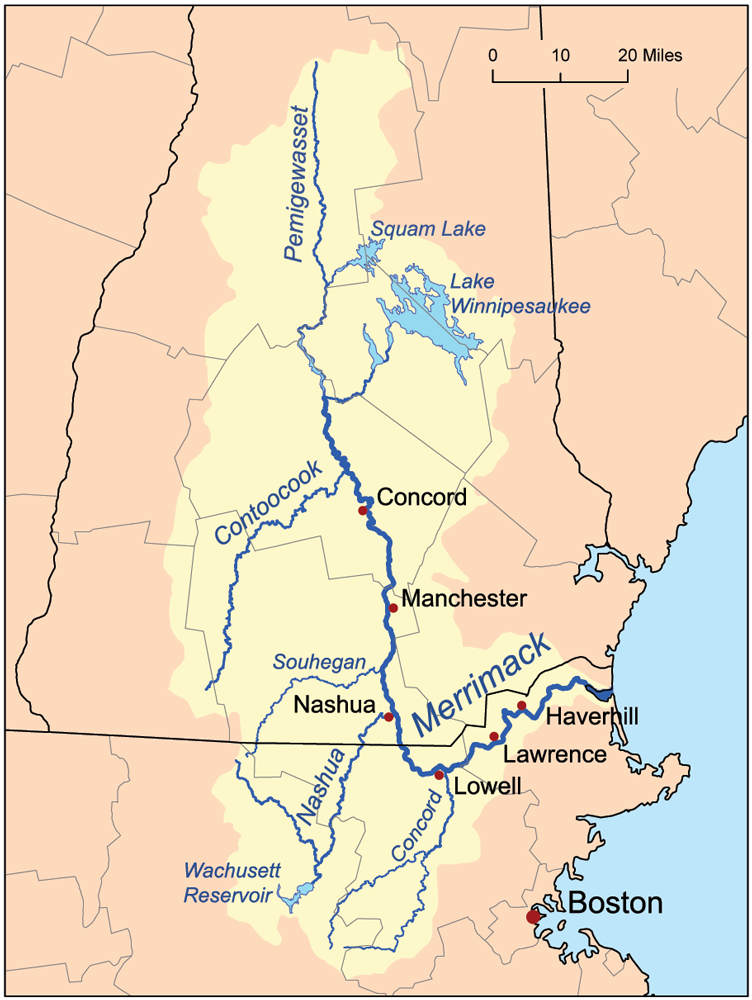
A true mark of a scientist is one who does crazy and insane things for what he or she loves in the name of science. And, this certainly extends to citizen scientists who are dedicated to doing whatever it takes to collect the data … here, residents from New Hampshire and Massachusetts tread through muddy waters and not-so-pleasant conditions to help measure levels of E. Coli and other worrisome things in the Souhegan and Merrimack rivers.

Read more about how one local writer is impressed by their hard work and dedication…

“Citizen scientists doing what they can to test rivers, aid research” :: Nashua Telegraph.com :: June 10, 2009 [ READ ]

East Coast Citizen Scientists are Hard-core Researchers Read More »

Naturalist Training Program for Nebraska Citizen Scientists

The University of Nebraska-Lincoln is now offering a new program to train state-wide citizen scientists with background knowledge to empower them to be more effective volunteer naturalists. The goal of the Nebraska Master Naturalist Program is to create a network of trained volunteers to focus on habitat conservation, environmental education, citizen science, outdoor skills and ecotourism.

If you live in Nebraska and are interested in joining this exciting new citizen science training program, link through below and contact the group today. Be sure to post your experiences back here on DPR Citizen Science!

“Neb. program to train volunteers in science” :: Nebraska.tv :: August 31, 2009 :: [ READ ]

Nebraska Master Naturalist from UNL :: [ VISIT ] :: The Nebraska Master Naturalist Program educates a volunteer network dedicated to promoting the conservation of Nebraska’s natural resources.

Nebraska Master Naturalist Facebook Page [ VISIT ]

Naturalist Training Program for Nebraska Citizen Scientists Read More »

Cell Phones for Citizen Science

You are one of millions and millions of human beings who are carrying a special research tool in your pocket or purse. It’s your cell phone, of course! And, with mobile technologies advanced to nearly the point that we now can have mini-computers resting in the palm of our hand, scientists are beginning to realize the untapped potential of world-wide data collection from citizen scientists.

There are many exciting potential uses for how the average cell phone user–nearly everyone of us!–can participate in important science studies where ever one might live. Local climate measurements, traffic conditions, and real-time observations via text messages are just an inkling of where cell phone citizen science can be used.

This opportunity for scientists has already been realized and an important study was completed out of UCLA, which describes how existing mobile technologies can be used to enhance citizen science participation. If you are interested in learning more, and even would like to find out how to get involved with your own phone, read the paper and see how you can connect as a mobile citizen scientist.

“Participatory Sensing: A citizen-powered approach to illuminating the patterns that shape our world” [ READ THE PAPER (pdf) ]

UCLA’s Center for Embedded Networked Sensing

“There’s a sensor in your pocket” :: FirstScience News :: May 19, 2009 :: [ READ ]

“Cell Phones Allow Everyone to Be a Scientist” :: LiveScience :: June 4, 2009 :: [ READ ]

Cell Phones for Citizen Science Read More »

Help Review a Scientific Paper

Prof. Mike Brown and colleagues from the Division of Geological and Planetary Sciences at Caltech have written a paper, and it is currently in its final editing stages prior to submission to a professional journal.

This isn’t a particularly special event, as thousands of other scientists across the country are working on their own draft versions of their own research at this very moment… but what is particularly interesting here is that Prof. Brown wants serious reviews from citizen scientists to assist with the editing process before making his submission final.

There has been growing indirect evidence that Titan, one of Saturn’s moons, has a planetary water cycle (or, hydrological cycle) much like Earth’s cycle with water continuously moving between land and air through evaporation and precipitation. Only on Titan, this cycle contains methane instead of water.

Using imaging from the Cassini spacecraft, this group of scientists claims to have observed fog at the southern pole of the moon. They argue that the appearance of fog on Titan can only be caused by the evaporation of liquid methane into the atmosphere, and therefore this provides the first direct evidence of an active hydrological cycle on the moon.

So, if you feel up to this important challenge for citizen science, carefully read and review the draft paper, and post your serious comments on Prof. Brown’s website… or send him messages directly.

“Fog! Titan! Titan Fog! (and a peer review experiment)” :: Mike Brown’s Planets :: August 27, 2009 :: [ READ ]

If you take part in this review process, please let us know here at DPR about your experience!

Help Review a Scientific Paper Read More »

Ohio Beetle Tracking Project for Citizen Scientists

The classic lady bug — or, Coccinellidae, the pretty red ones — is actually a farmer friendly little creature that is critical for reducing populations of annoying pests like aphids, or nasty plant-eating lice.

The population level of the lady bug seems to be declining in the Midwestern United States, and Dr. Mary Gardiner of Ohio State University wants to find out what is going on. She has setup a great new citizen science program called the Buckeye Lady Beetle Blitz Volunteer Network, that is a perfect opportunity for Ohio residents to contribute in important ways to the local agricultural science. A new round of studies will begin again next summer, and required training for volunteers starts in February 2010.

If you live anywhere in Ohio and are interested in helping out next year with this important project, take a moment to learn more and consider taking the time to train…

Buckeye Lady Beetle Blitz

“Beneficial Beetle Being Tracked” :: Ohio Farmer :: July 1, 2009 :: [ READ ]

“Ohio State University Recruits Citizens to Count Lady Beetles” :: OSU Extension :: June 23, 2009 :: [ READ ]

Ohio Beetle Tracking Project for Citizen Scientists Read More »

Last updated March 17, 2026