AmSci Opportunities

A little Citizen Science while on Vacation in the Tropics

If you are fortunate enough to take a trip to spend time swimming with the reefs, then you will surely experience one of the most impressive displays available from our natural world. The coral reefs are certainly a primary focus of conservation right now as pollution and disrespectful visitors are reeking havoc on this ocean wonder.
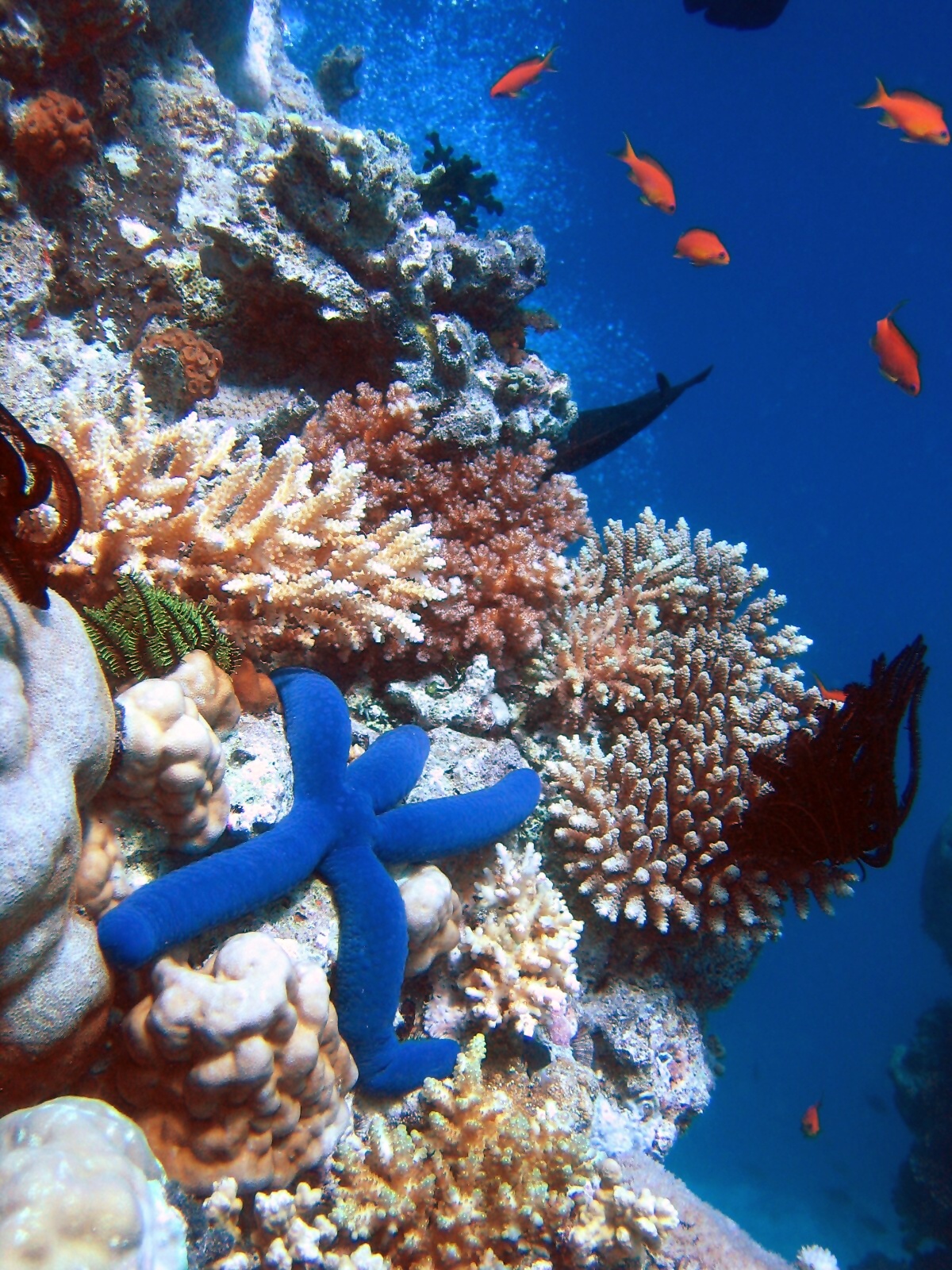
However, as a tourist you should not be shy and stay away from this experience in the name of conservation. In fact, it is your first-hand respect and attention that will help save the reefs from further destruction.

Read more about what sort of respectful caution you should consider while visiting a reef, and even consider getting involved with an important citizen science effort, the Reef Environmental Education Foundation’s Volunteer Survey Project.

“How the Vacation-Bound Can Limit Damage to Coral Reefs” :: The Washington Post :: August 13, 2009 :: [ READ MORE]

The REEF Volunteer Survey Project

A little Citizen Science while on Vacation in the Tropics Read More »

Help NASA Image the "Dark Side" of the Sun

Just recently, NASA announced exciting progress on a new program that uses two space probes to image the sun’s surface while facing away from Earth. STEREO (“Solar TErrestrial RElations Observatory”) uses the satellites are still floating into position for full viewing, but they are already returning images of never-before-seen sun horizons.

In order to download and process the future image data around-the-clock, NASA would like to establish a “mini-Deep Space Network” comprised of experience HAM operators from around the world who can collect signals through 10m X-band antennas. This is an amazing opportunity to be a part of cutting-edge solar science and will support critical early detections and forecasting of solar storms.

To apply for the progam… [ LEARN MORE and CONTACT NASA ]

“NASA Sees the ‘Dark Side’ of the Sun” :: Science@NASA :: January 23, 2009 :: [ READ ]

Help NASA Image the "Dark Side" of the Sun Read More »

Watch the Solar Eclipse via Webcam

The first (of two) solar eclipses of 2009 begins late tonight, and will be visible over the Indian Ocean and western Indonesia. So, even if you are not floating on a boat in the middle of the ocean early in the morning, you can still watch the eclipse live thanks to an array of telescopes being made available through the South Africa National Node of the International Year of Astronomy 2009 program.

The viewing will be available begining around 12 midnight (CST) (the annular path begins in the South Atlantic at 06:06 UT), so take a brief nap this evening and stay up late to watch the beautiful sight!

“Moon Shadow” from International Year of Astronomy 2009 Webcam Viewing Portal :: [ VISIT ]

NASA’s 2009 Eclipse Information :: [ VISIT ]

Watch the Solar Eclipse via Webcam Read More »

New Tools to Help Amateurs Visualize Data

Emerging from the IBM Watson Research Center is a wonderful new online tool for interactively visualizing data sets of nearly any sort. The service is called Many Eyes, and could provide quite useful for citizen scientists to work collaboratively across the world in analyzing data and gaining new insights into amateur research efforts.

The Many Eyes software is free with a registration, and contains tools to upload and organize your data into world maps, line and stack graphs, comparison charts, scatter plots, network maps, and other visualization options. We have not yet explored the interesting service, but DPRI will be in the the site in the near future to test the system and to see what sort of opportunities there might be for the amateur science community, including how we might be able to collaboratively work together through DPRI on future projects.


“Lines and Bubbles and Bars, Oh My! New Ways to Sift Data” :: The New York Times :: August 30, 2008 :: [ READ ]

Many Eyes [ VISIT ]

Learn more about the Many Eyes program [ READ ]

If you would be interested in working with DPRI in the near future on citizen science collaborations, potentially using the Many Eyes system, please contact us or leave a comment below. Or, better yet, send us your FREE registration and we’ll be in touch with you soon about what sort of opportunities we will have!

New Tools to Help Amateurs Visualize Data Read More »

Vacationing Data Collectors Track Migrating Whale Sharks

We’re going to the ocean for vacation this year! … and we’ll do some scuba diving … and we’ll take pictures of the elusive whale shark … and we’ll submit the photographs to researchers to help monitor migration behavior!


Learn more about the whale shark

This is exactly the expectation of vacationers from the scientists working with ECOCEAN, who have already collected over 17,000 photos of whale sharks from over 1,400 citizen science contributors. This exciting database uses sophisticated image analysis software to help identify the whale sharks. Developed by NASA and Zaven Arzoumanian and originally used for star mapping, the software can map out the unique white spot pattern found on the whale shark.

So, if you are planning a vacation to the ocean in the near future, or if you are already an avid scuba diver and have seen a whale shark while swimming around, then check out ECOCEAN and join the program to contribute your valuable photos.


“NASA Tool Helps Track Whale Sharks, Polar Bears” :: National Geographic News :: August 25, 2008 :: [ READ ]

ECOCEAN Whaleshark Photo-identification Library [ VISIT ]

Vacationing Data Collectors Track Migrating Whale Sharks Read More »

A Fabrication Laboratory for the Masses

The Fab Lab from MIT is the ultimate at-home kit for the do-it-yourself amateur scientists and technologist. Complete with CAD/CAM design software, laser cutter, miniature mill, and much more… the Fab Lab operator can design and develop nearly anything that can be imagined.

Sure, the price tag sits at a steep $50,000, so not many will be going into the garage of the average citizen scientist, but this is certainly a wonderful start to expanding the reach of opportunities for technological innovation.

Developed by the MIT physicist, Neil Gershenfeld, the Fab Lab has been set up for at least 26 different clients all over the globe. The primary target market right now for the program is small-scale, local entrepreneurs, who need a complete rapid prototyping environment to support innovative technology development in small business. The long-term goal, however, is to continue developing the concept for a much broader audience that might some day emulate the infamous “Star Trek Replicator“.

In all seriousness, the Fab Lab could be in the reach of a larger collective of citizen scientists who could pool together personal financing, donations, and organized non-profit funding to bring the ambitious and highly-educational lab to local groups of amateurs. Maybe in the very near future we will see local amateur research groups imagining, developing, and creating new, innovative technologies that could be launched into the marketplace. With a little collective help–something citizen scientists do best–the Fab Lab might be the ticket to bringing the amateur to the next level in research and development opportunities.

“Invention kits let you build (almost) anything” :: MSNBC.com :: August 21, 2008 :: [ READ ]

“What is a Fab Lab?” from the MIT CBA Educational Outreach Program :: [ READ ]

The Fab Lab Program at MIT [ VISIT ]

A Fabrication Laboratory for the Masses Read More »

Last updated March 17, 2026